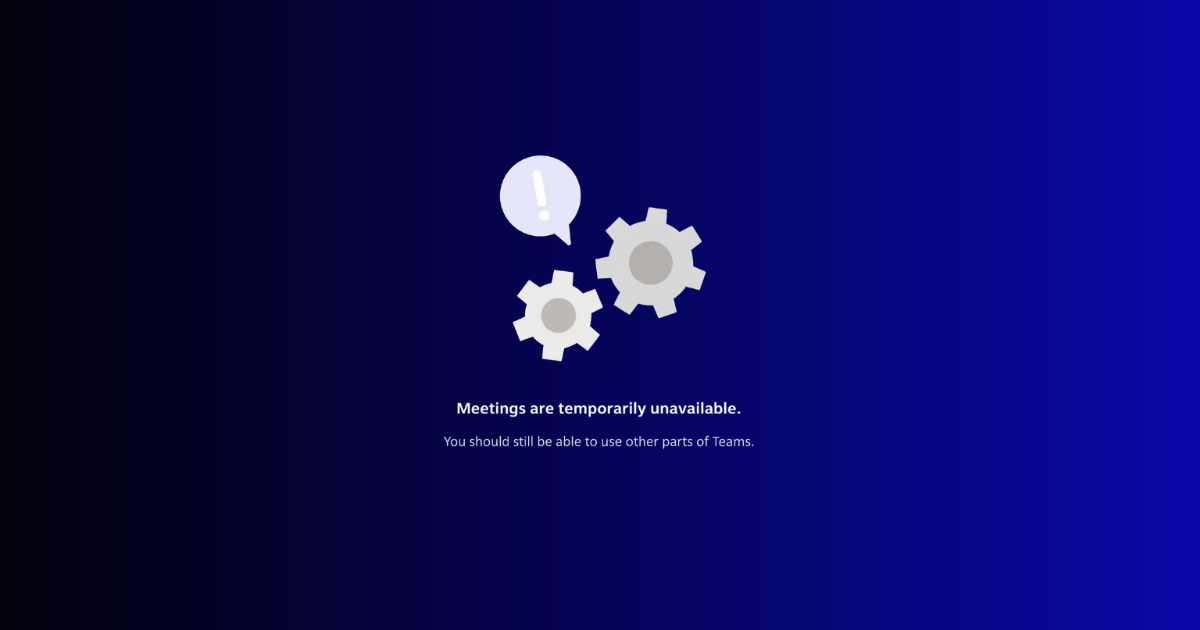
Microsoft has linked today’s outage to unusually high load on its systems, not an attack. For many companies it is still a crisis.
On November 12, Outlook and Teams went down for many companies across the Americas. Leaders can’t reach their teams. Crisis plans sit in folders nobody can open.
Across the CYGNVS platform, usage was up 300% today. Much of that activity did not come from cyber incidents. It came from companies that need somewhere else to talk, decide and keep working while their primary tools are down.
That shift says something about how resilience is changing.
Two problems that look alike
For years, the industry has focused on out-of-band communication. The idea is simple. During a cyber incident, you assume an attacker can see your email, your chat and your files. So you move the response to a separate channel the attacker can’t reach, with its own sign-in and a record of who saw what.
Today is a different problem. Nobody is attacking anyone. The systems are simply down.
We call this need an alternative band. It is a place for crisis management when your everyday tools disappear for reasons that have nothing to do with an adversary: a provider outage, a failed update, a power cut at a data center or a building you can’t enter.
From the outside the two needs look the same. Underneath they differ. Out-of-band assumes someone is watching. An alternative band assumes nothing is there. Most crisis plans treat them as one risk, if they plan for either.
Why this keeps happening
At many companies, a single provider now runs email, chat, calendars, file sharing and sign-in. That makes daily work easier. It also means one failure can silence the whole business at once.
Outages like this one should no longer come as a surprise. They are part of running a business on the cloud. The goal is to treat them as business as usual, with a plan already in place. Your main tools will go down. What matters is whether your people know where to go when they do.
The companies that handle days like this well have usually answered that question in advance. Leaders know where to meet. Staff know where to look for updates. Partners know how to reach them. Because they have practiced, nobody spends the first hour hunting for a phone number.
Questions for your leadership team
Before the next outage, it is worth asking a few plain questions.
- If email, chat and calls went dark right now, where would your leaders meet?
- Does that place depend on the same sign-in as everything else?
- Can you reach outside partners, like counsel or your insurer, from there?
- Has anyone actually practiced switching over?
If the answers are unclear, that is the gap to close. Resilience isn’t about the tools you use every day. It’s about what you reach for when they fail.